

One of the oldest instinctual human acts is to reverence the bodies of the dead. Only in the most recent years have there been any signs of attenuation of such customs. There are no pragmatic reasons for it. As Søren Kierkegaard noted, the dead can’t pay you back for what we do for them, which makes reverence for the dead a profound act of disinterested love. Why do we have this instinct? Why was it important to the women to bring spices to the tomb at the dawn of the day after the sabbath at great expense? In answering these questions, it occurs to me that there is something awesome about death. How is it that the life that used to fill this body is no longer there? Where did that life go, if it went anywhere? Finding the tomb empty was bewildering to the women. How could they reverence the body if the body was not there? Worse, what sort of disrespectful act might have been committed on the body of a man who had died a criminal’s death?
Suddenly seeing the two men in dazzling clothes only compounded the bewilderment. These “men,” presumably angels, teased the women for looking for the living among the dead. (Lk. 24: 5) True, if one is looking for a live person, a tomb is not the best place to look, but the women had come to reverence a dead person who had meant much to them, and a tomb is the right place to look for that. As it turns out, the women who came to the tomb are the first to be told that Jesus is risen. They are also derided for not having expected this outcome, but since this is the only time in the history of the world that a dead person has risen bodily from the dead, they can be pardoned for not expecting it, Jesus’ prophesies of dying and rising notwithstanding. After all, the disciples didn’t believe Jesus when he said he was going to be killed. How could such a great man come to such an end? And if they didn’t believe Jesus was going to die, they would hardly have gotten to the notion he would rise again. Given the reaction of the women at the tomb, they hadn’t believed these prophesies any more than the disciples did.
It is highly significant that the first persons to be told about Jesus’ rising were not the disciples, but this small group of women who came to care for a dead body by anointing it with spices. One could say they got a lot more for their kind action than they bargained for. What if nobody had come to the tomb to reverence the body of Jesus? Would the resurrection have been made known? The story following in Luke gives us the first resurrection appearance of Jesus himself, but it isn’t straight-forward. The two disciples on the Road to Emmaus don’t recognize Jesus, but they invite him to stay with them when they come to an inn at eventide. If they had not kindly invited the stranger to stay and share supper with them, would they ever have seen the man as Jesus resurrected from the dead?
When the two disciples run back to Jerusalem to tell the other followers of Jesus, they are told that Jesus had appeared to Simon Peter. Although one would think this appearance the most momentous of all, it is mentioned almost in passing. Even Paul gives it more prominence is his list of appearances. (1 Cor. 15: 5) Luke then concludes with Jesus appearing to all of the disciples. It all seems low-key and very quiet. Hardly earth-shaking as the Resurrection is in Matthew.
I suggest we think further about how closely tied the Resurrection appearances in Luke are to small acts of human kindness. In Brothers Karamazov, Dmitri tells of how a man’s small act of giving him a bag of nuts made a deep impression on him. Such acts may seem to accomplish little, but they are the stuff of the resurrected life that abides.
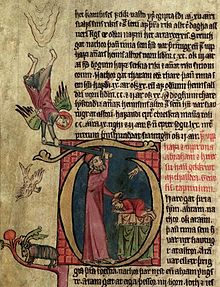 When the story of the near-sacrifice of Isaac was first told to me in Sunday school, the teacher prefaced the story by saying that in biblical times there were people who made sacrifices to “god” and some people even sacrificed their own children, but God decided to teach Abraham that he should not do that. The story was troubling but it was comforting to know that God did not want such an awful thing. Between that and being told around the same time the story about Jesus inviting the children to come to him did much to instill in me a trust in God as deeply loving from an early age. Since then, I’ve come across many learned scholars who think such an interpretation of the Isaac story is simplistic. Who’s right?
 Paul’s famous Hymn of Love zeroes in on what love, as agape, is all about: “Love is patient; love is kind; love is not envious or boastful or arrogant or rude. It does not insist on its own way; it is not irritable or resentful; it does not rejoice in wrongdoing, but rejoices in the truth.” (1 Cor. 13:4–6) In these qualities, we can see love as a deep renunciation of mimetic rivalry. Insisting on our own way, being resentful, rejoicing in the shortcomings of others, are all ways of putting ourselves on top of other people. Surely this short list is meant to stand for any attempt to put ourselves above other people. As long as we try to “win,” we lose at love. When we are willing to “lose,” we win at love.

 Imaginary Visions of True Peace